
Fire Door Supply, Installation, Inspection and Certification on the Central Coast
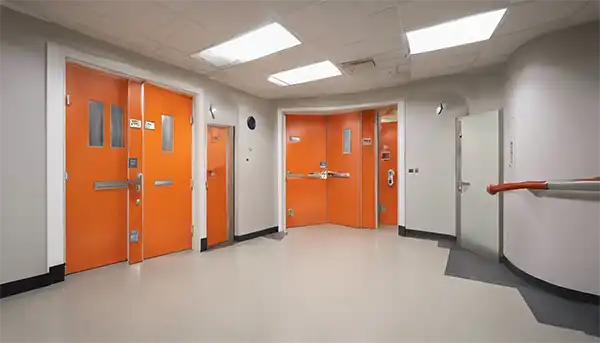
Walk past a fire door in a building corridor and it looks much like any other door. That is by design. But underneath the surface, a fire door is a precisely engineered assembly built to perform under conditions that would defeat any standard interior door within minutes.
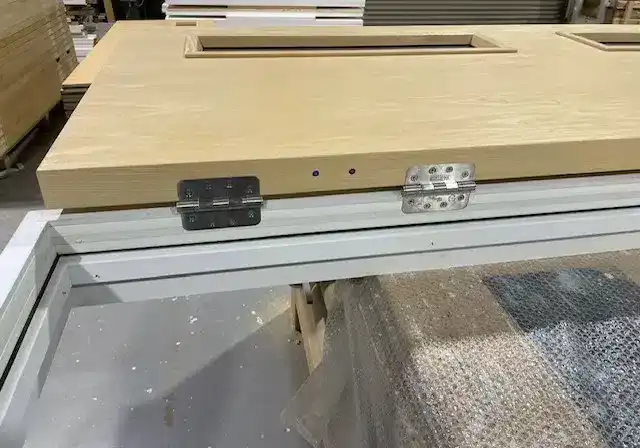
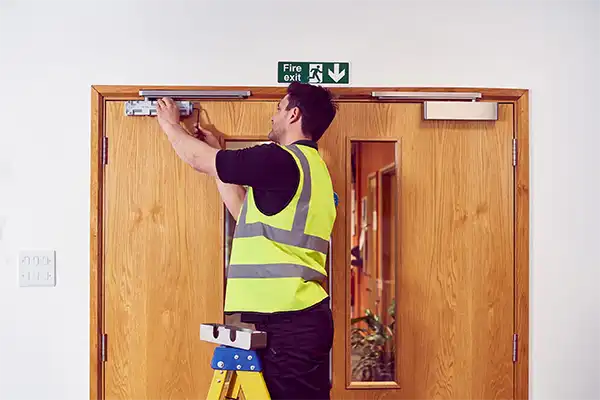
Fire doors are tested and rated to resist the passage of fire and smoke for a defined period, typically 30, 60, or 90 minutes, depending on the construction requirements of the building. They incorporate intumescent seals that expand under heat to close the gaps that would otherwise allow smoke through. Door closers return the door to a sealed position after every use. Any glazing fitted to the door is fire-rated glass. The hinges, latches, and frame are all part of the certified assembly and must meet the specification set out in AS1905, the Australian Standard for fire-resistant door sets.
Change any of those components without using the correct replacement, or allow them to deteriorate without inspection, and the fire rating is compromised. This is why the supply, installation, and ongoing management of fire doors on the Central Coast is specialist work, and it is exactly what Gwando Fire is here to deliver.
Understanding What Makes a Fire Door Different
The distinction between a fire door and a standard door is not visible in everyday use, which is part of what makes fire door compliance easy to neglect. Both swing on hinges, both have handles, and both do an adequate job of providing access and privacy in normal conditions. But the similarity ends there.
A fire door is tested as a complete assembly under AS1905 requirements. The test involves exposing the full door assembly to controlled fire conditions and measuring the time it takes for heat and smoke to penetrate. Every component, including the door leaf, frame, seals, hardware, and any vision panel, contributes to that rating. If one component is missing, worn beyond tolerance, or replaced with a non-compliant alternative, the door can no longer be certified to its original rating.
For Central Coast building owners and managers, understanding this is important because it explains why regular inspection is not a formality. It is a genuine technical assessment of whether the door will perform as required when it matters most.
Fire Door Supply and Installation Done Right the First Time
Gwando Fire supplies commercial fire doors for Central Coast buildings across every sector, from strata residential and commercial office to aged care, education, and healthcare facilities. Not every building needs the same door, and part of the Gwando service is helping clients identify the correct specification before anything is ordered. For guidance on the full range of services involved, the Gwando Fire services page covers everything in one place.
Installation is carried out to meet the requirements of AS1905. This covers correct frame preparation, ensuring the door operates properly within its assembly, fitting hardware to the right specification, and verifying that seals are installed in a way that will perform under fire conditions. A door that has been supplied correctly but installed poorly is still a non-compliant fire door. Gwando treats installation with the precision the task demands.
For new builds, renovations, and buildings updating ageing fire door stock, Gwando provides supply and installation as a single, coordinated service from one team.
Inspection and Certification to Keep Central Coast Buildings Compliant
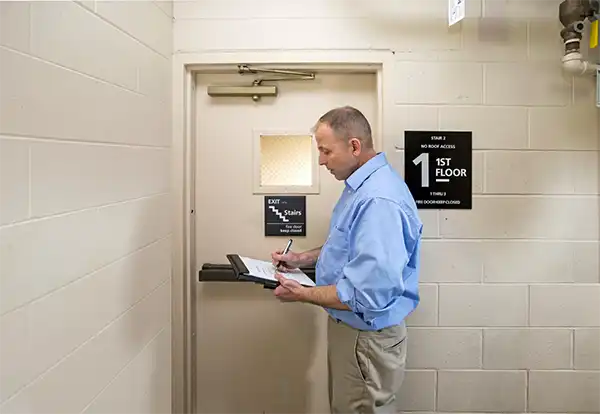
A fire door installed correctly is the beginning of the compliance journey, not the end. From the day a door is fitted, its components begin to experience normal wear. Seals dry out. Closers lose tension. Hardware wears. Without regular inspection, these gradual changes can move a door out of compliance without anyone noticing. The National Construction Code and AS1905 both reflect this reality by requiring ongoing maintenance and inspection, not just correct installation.
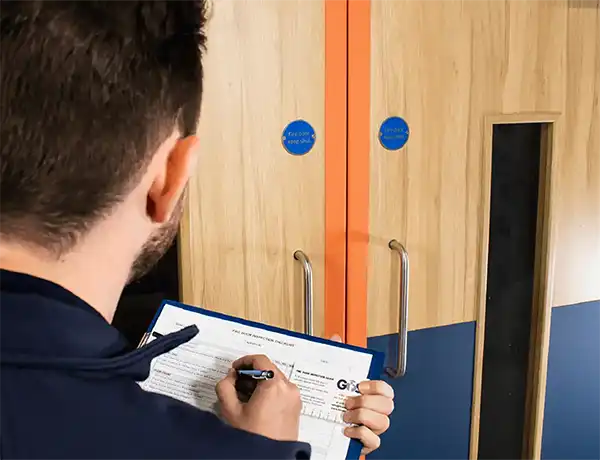
Gwando Fire conducts thorough inspections covering the complete door assembly and produces a detailed written report identifying the condition of every element, any defects noted, and the recommended course of action. For doors confirmed as compliant, or where repairs have returned a door to compliance, formal certification is issued.
That certification is the documented evidence that your fire doors have been assessed by a competent person and found to meet the required standard. It is what insurers request, what regulators can require, and what building managers need to have readily available on file.
Fire Door Repairs When Issues Are Identified
Not every defect means a full replacement is needed. Many of the most common fire door issues, including worn or damaged seals, faulty door closers, misaligned latches, and minor frame defects, can be repaired effectively to restore the door to a compliant condition.
Gwando Fire carries out repairs as part of the same integrated service that covers inspection and certification. Where issues are identified during an inspection, they can often be resolved in the same visit or shortly after, minimising the time any door sits outside of compliance. Where a door has deteriorated beyond repair, Gwando’s supply capability means a replacement can be sourced, installed, and certified without involving another contractor.
For Central Coast building owners and managers looking for a single team to handle the complete fire door picture, contact Gwando Fire on 0400 763 468 or reach out through the website to discuss your building’s requirements.
Gwando Building & Fire Services
Get in touch
Ready to improve your fire safety? Contact us today to book a free consultation and discover how our tailored fire door solutions can protect your property. We’re here to help you navigate compliance challenges and ensure your building is as safe as possible.